Hundredfold Canada
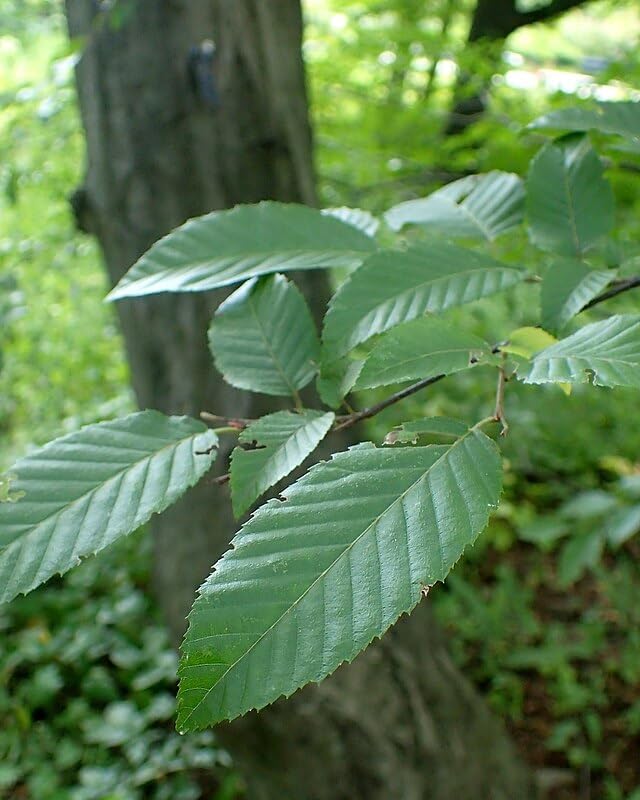
American Hornbeam Seeds (Carpinus caroliniana) – Native Blue Beech with Brilliant Fall Color – 10 Seeds
American Hornbeam Seeds (Carpinus caroliniana) – Native Blue Beech with Brilliant Fall Color – 10 Seeds
Couldn't load pickup availability
When choosing a small understory tree for your garden, it’s important to know the difference between similar species. Our American Hornbeam (Carpinus caroliniana) and Hop-Hornbeam (Ostrya virginiana) are native to North America, slow-growing, and highly shade-tolerant. They provide excellent wildlife value and brilliant fall colors, making them perfect for naturalized landscapes and wildlife-friendly gardens. The European Hornbeam (Carpinus betulus) is more common in North America, but its fall foliage is muted, and it offers less support for local wildlife. For a truly native, ecologically valuable, and beautiful addition to your yard, American hornbeam or hop-hornbeam is the top choice.
- Native & Wildlife-Friendly: American Hornbeam (Carpinus caroliniana) and Hop-Hornbeam (Ostrya virginiana) support local birds and insects.
- Beautiful Fall Color: American Hornbeam shows brilliant orange-red-yellow foliage; Hop-Hornbeam offers warm yellow-orange tones.
- Shade-Tolerant Understory Trees: Slow-growing and perfect for naturalized landscapes or adding character to shady yards.
American Hornbeam, European Hornbeam & Hop-Hornbeam – Quick Comparison
These small understory trees can be confusing, so here’s a quick guide to help you choose:
|
Tree |
Latin Name |
Note |
|
American Hornbeam |
Carpinus caroliniana |
Native |
|
European Hornbeam |
Carpinus betulus |
Non-Natve |
|
Hop-Hornbeam |
Ostrya virginiana |
Native |
Key Takeaway: For beautiful fall colors, wildlife support, and native landscaping, choose American hornbeam or hop-hornbeam. European hornbeam is fine for hedges or urban planting, but less valuable for local ecology.
Share