Hundredfold Canada
Tamarack Tree 20 Seeds – Larix laricina, American Larch Native to Canada and the US
Tamarack Tree 20 Seeds – Larix laricina, American Larch Native to Canada and the US
Couldn't load pickup availability
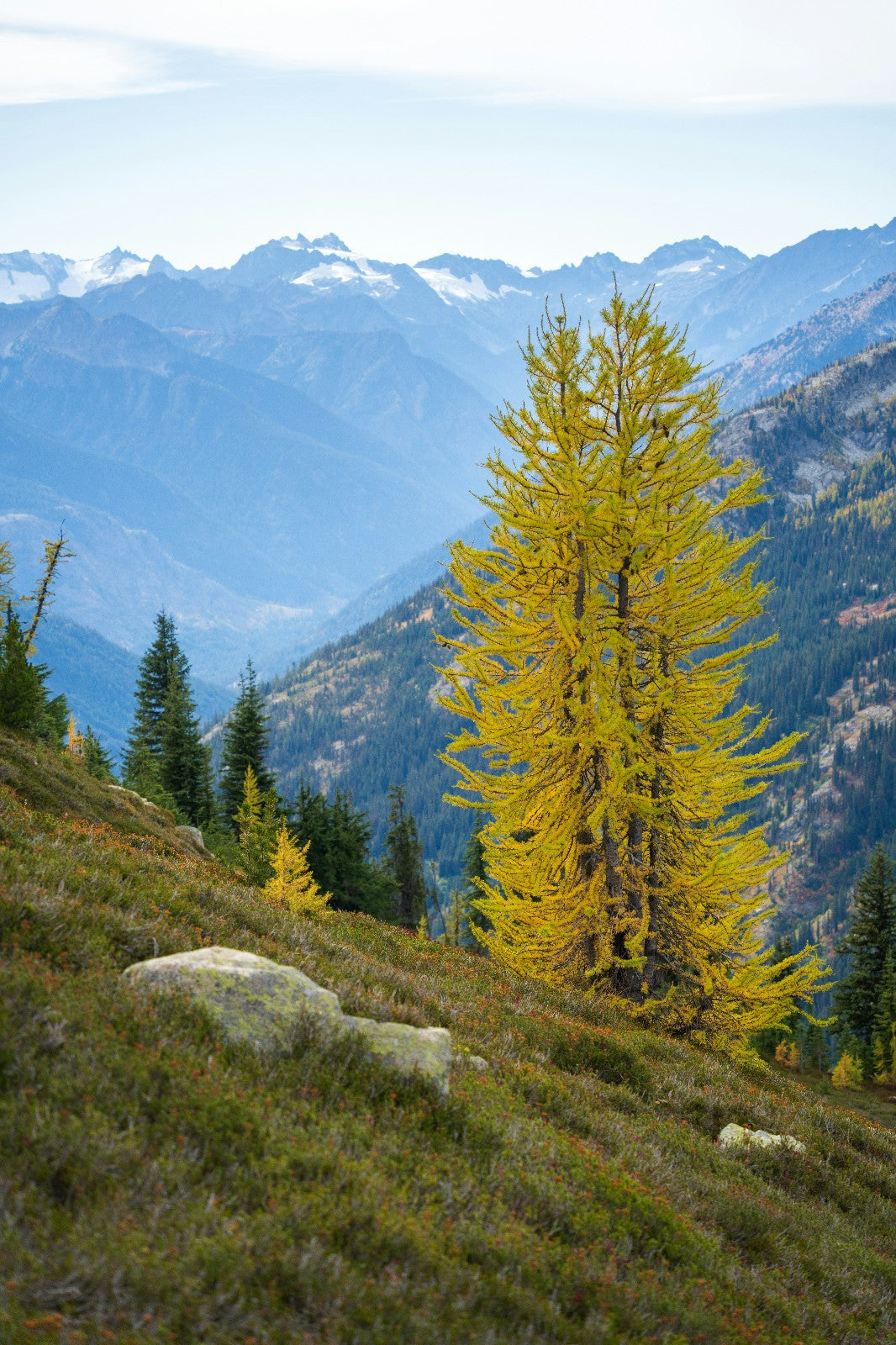
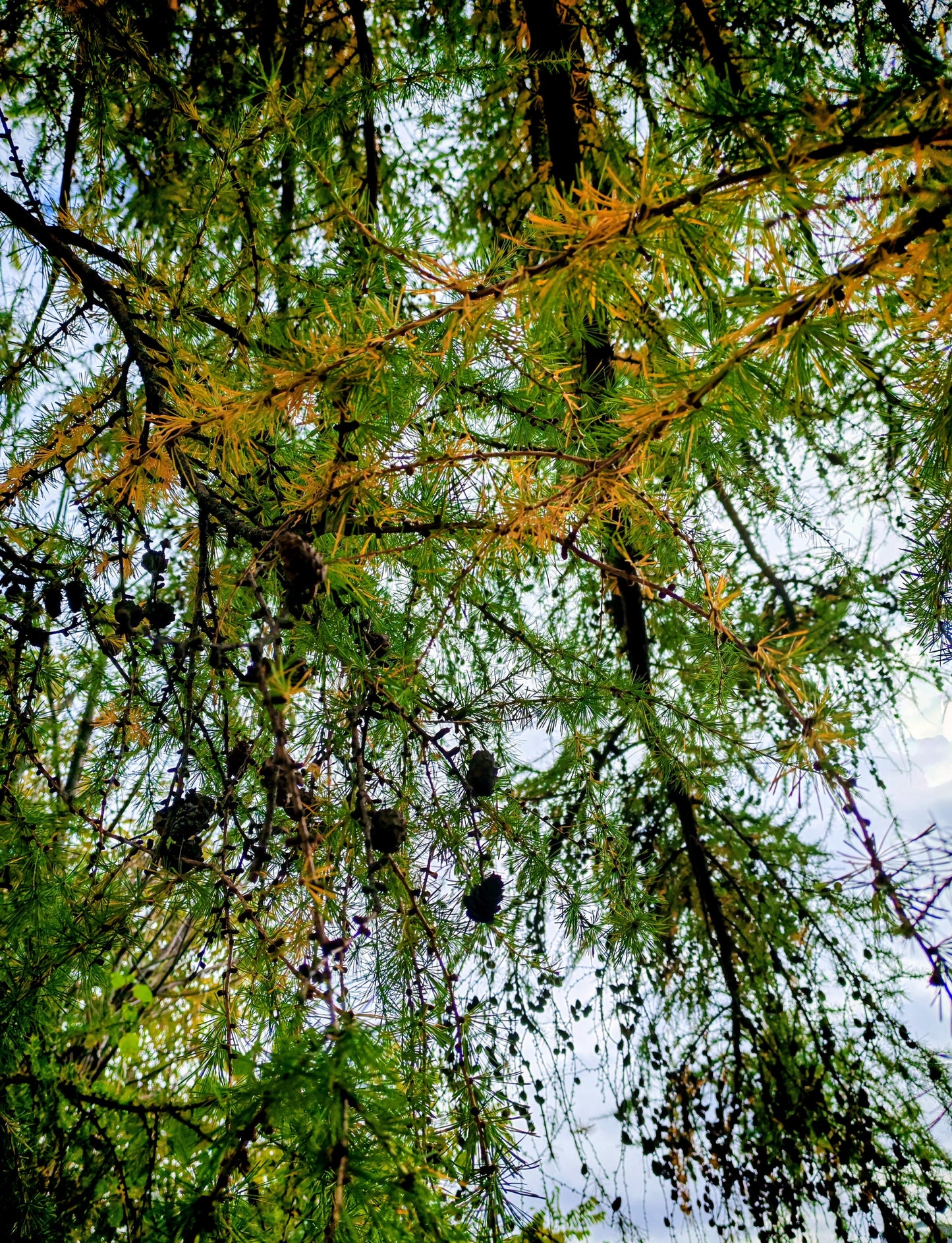
Tamarack is a deciduous conifer that sheds its needles annually, unlike most evergreen species. Soft, glossy needles emerge in spring as apple green, transitioning to blue-green through summer. In the fall, foliage shifts through greenish-yellow to brilliant orange before dropping.
This unique seasonal display makes the Tamarack a distinctive addition to northern landscapes.
Limited supplies,
Hundredfold Note:
The Rhythm of the Land
Tamarack (Larix laricina), also known as American Larch or Black Larch, is not a common sight in Southern Ontario, even though it is native across the Great Lakes region and much of Canada. Our landscape already offers many vivid reminders of the changing seasons—fiery Sugar Maples, golden American Elms, and the quick-to-blush Saskatoon berries. Yet all of these are broadleaf trees. Tamarack stands apart as the only deciduous conifer in Canada, a tree that turns gold and sheds its needles each autumn.
In a conservation area I often visit, a prairie remnant grows beside a White Pine, an Eastern Hemlock, and a lone Tamarack. When the temperature drops, the Tamarack outshines all its evergreen companions. Its bright, smoky-gold needles are unmistakable, a living signal that the cold season is on its way. Each time I see that glow, I know it’s time to reach for my winter coat.
Aldo Leopold, writing in his famed Marshland Elegy, saw Tamarack as one of the signature hosts of northern wetlands. In his words, the cranes rise “into the air and flail the morning sun with mighty wings. The tamaracks re-echo with his bugled certitude.” For Leopold, and for many of us who watch the seasons closely, Tamarack is a tree that speaks of place, time, and the rhythm of the land.
Picture 4 shows the golden splash of the local tamarack.
Share