Hundredfold Canada
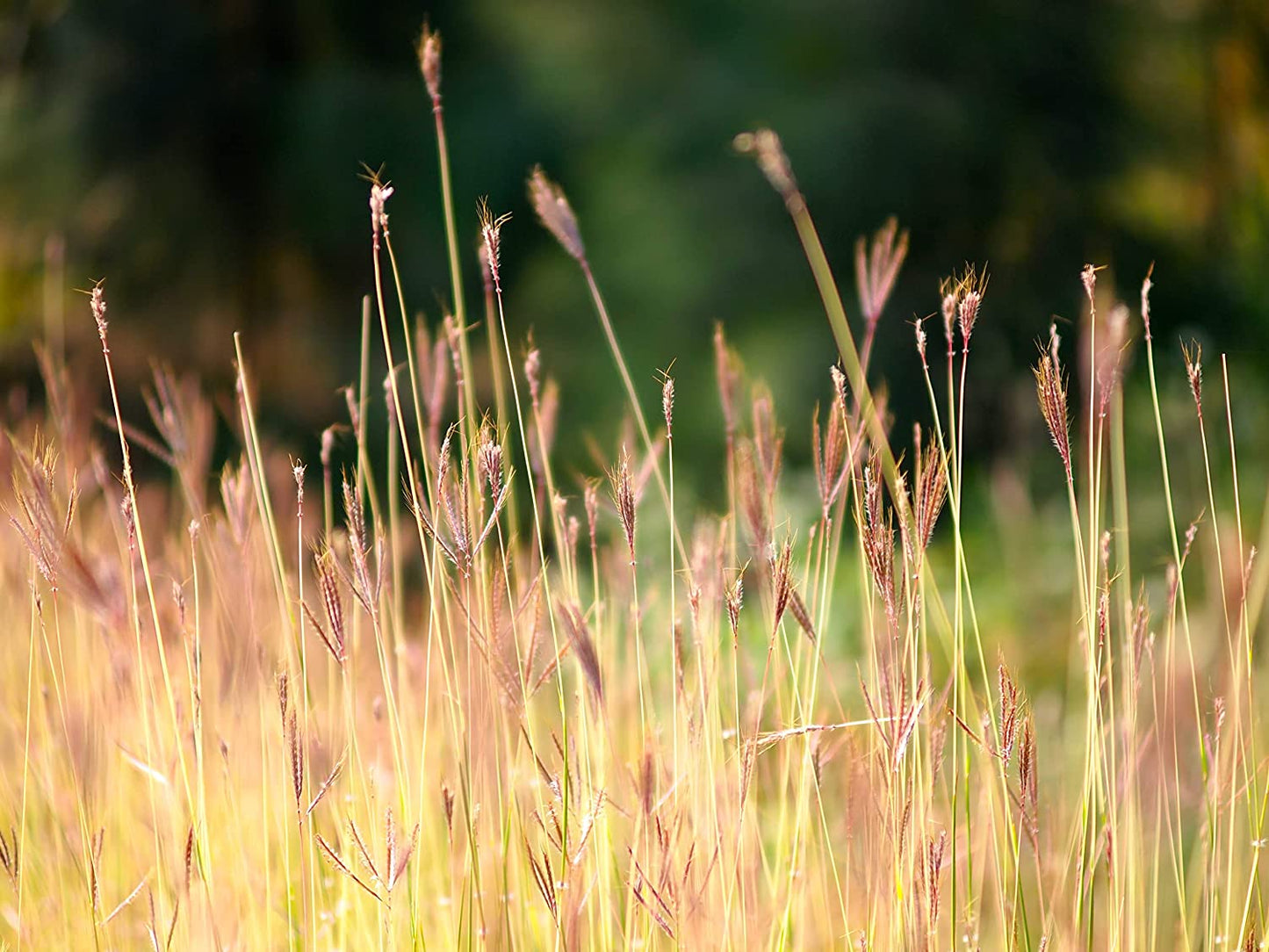
Hundredfold 0.5lb (227g) Big Bluestem Grass Seeds - Andropogon gerardii Blue Stem Ornamental Bunch Grasses, Turkeyfoot, Attract Birds, Valued for Native Garden & Wildflower Meadow Big bluestem
Hundredfold 0.5lb (227g) Big Bluestem Grass Seeds - Andropogon gerardii Blue Stem Ornamental Bunch Grasses, Turkeyfoot, Attract Birds, Valued for Native Garden & Wildflower Meadow Big bluestem
Couldn't load pickup availability
- A North American Prairie native grass, it is a warm season grass (actively growing in summer)
- With deep root systems, it is perfect for erosion control and water retention. Perfect for rain garden and restoration project
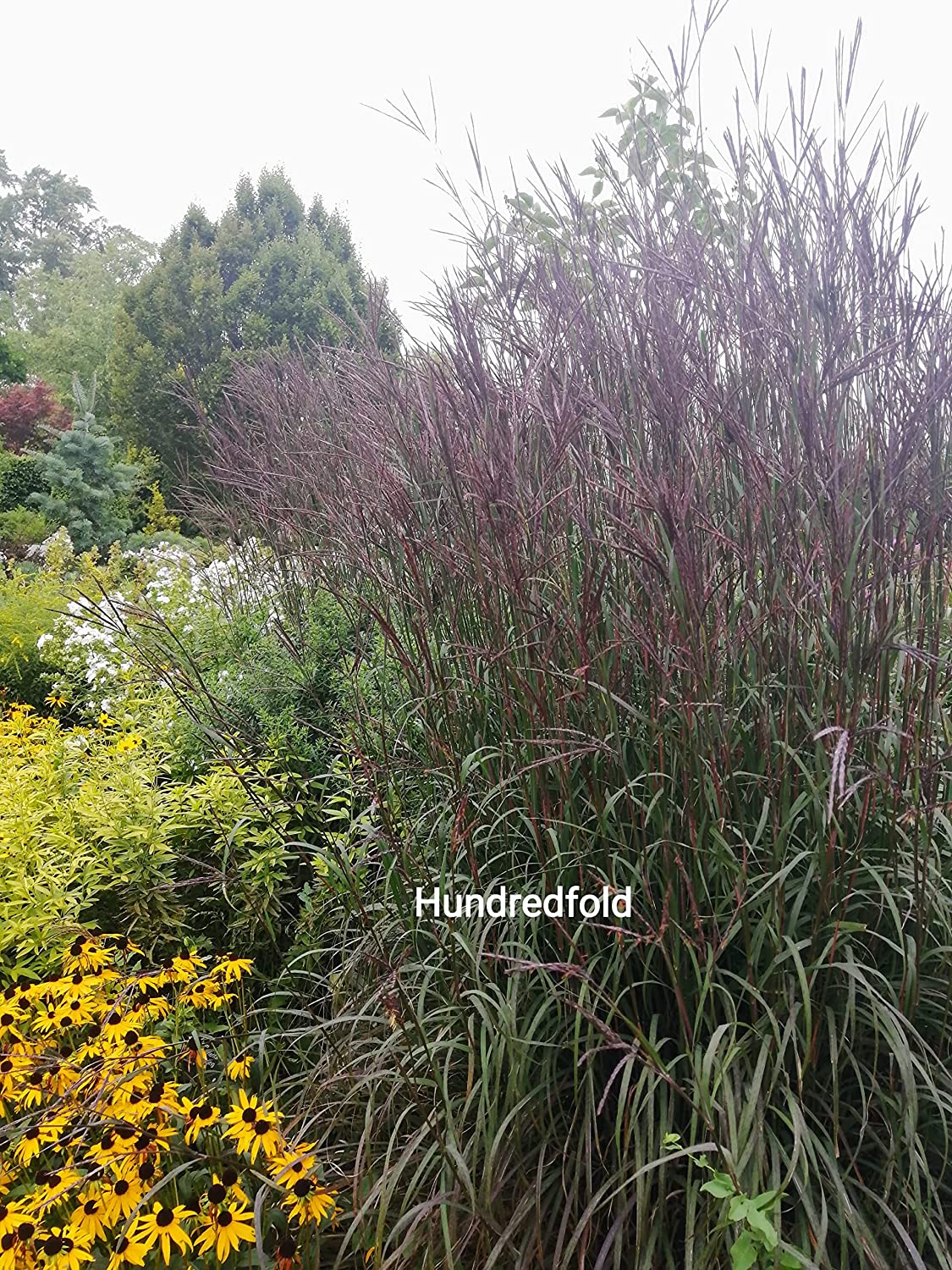
- Height: 4-8ft, one of the “Big Four” native grasses.
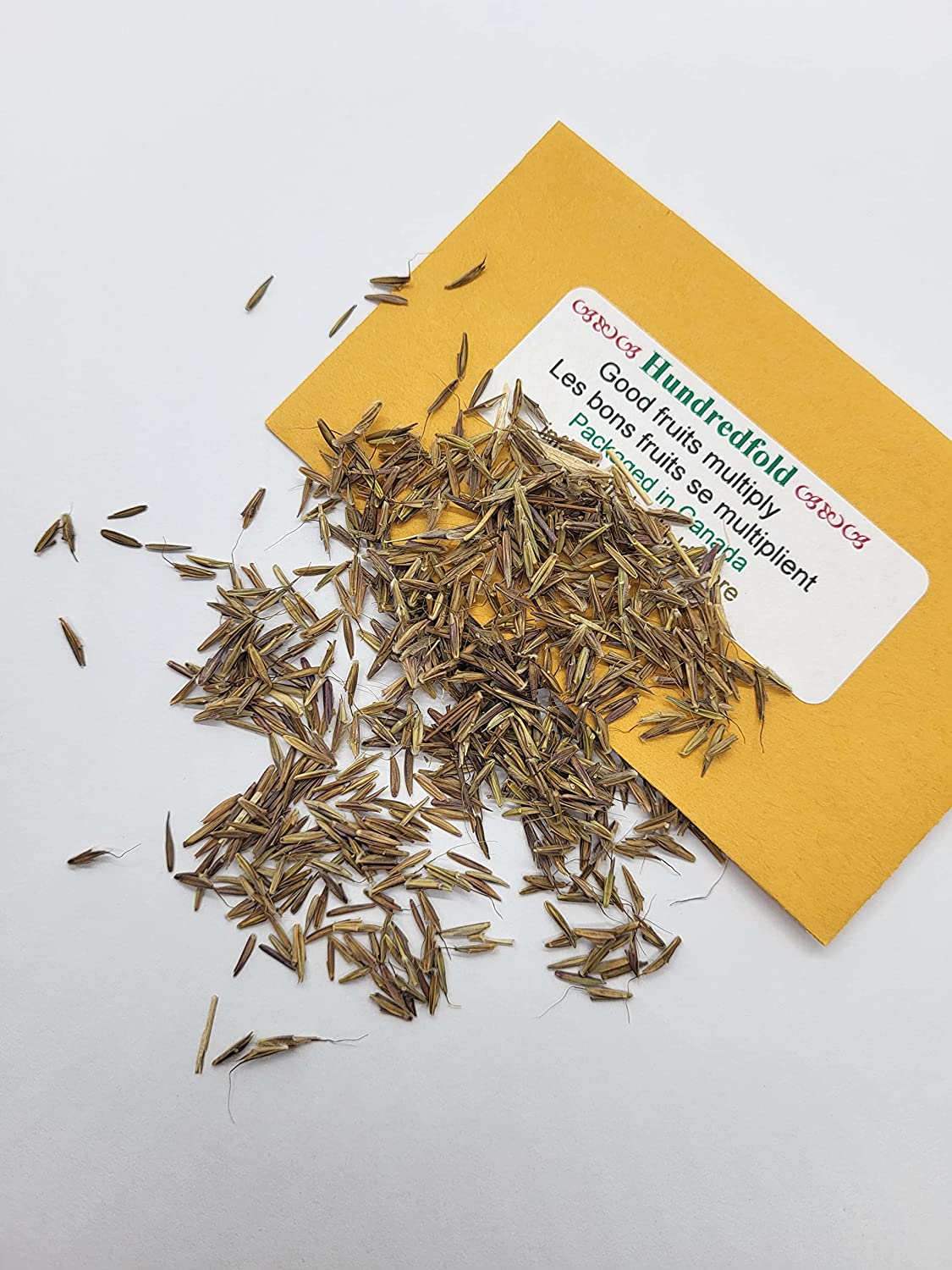
- Each package contains 0.5lb of open-pollinated seeds that are packed and shipped from Ontario
- Hundredfold is a trusted Canadian trademark since 2017. Good fruits multiply.
- Note: VERY slow to germinate, it may take up to one month to sprout. Keep seeds moist after sowing and practice patience.
- Warning: once established, mature stands may pose a fire hazard.
This North American Prairie native grass is a warm-season plant with deep roots, ideal for erosion control, water retention, rain gardens, and restoration projects, growing 4-8 feet tall and part of the "Big Four" native grasses.
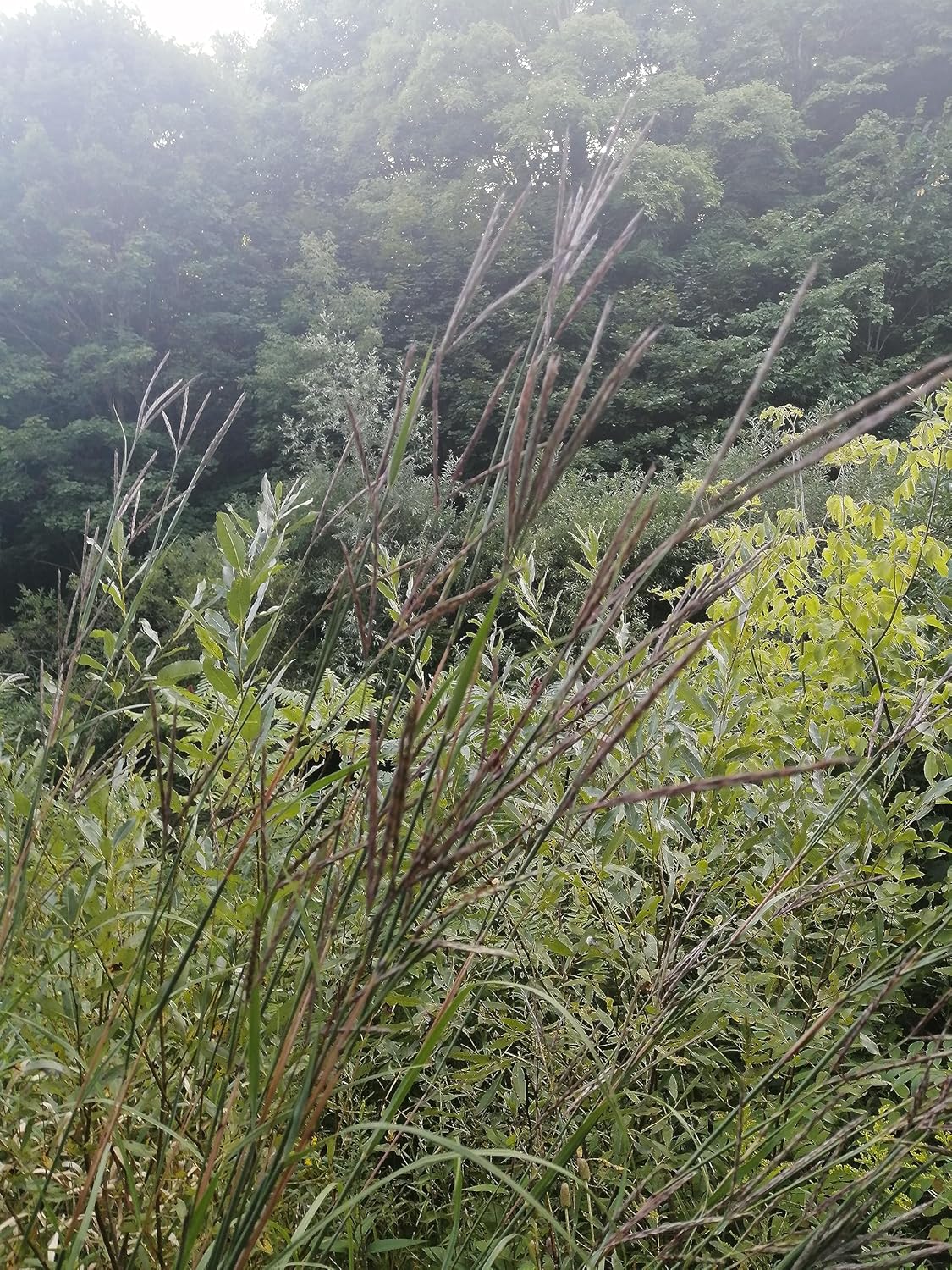
Pic 2: Wild big bluestem thriving in its native Toronto, Ontario home.
Germination & Dormancy Guide (Native Warm-Season Grasses)
|
Species |
Scientific Name |
Dormancy Level |
First-Year Germination |
Full Emergence |
|
Big bluestem |
Andropogon gerardii |
Moderate |
Partial to good |
Year 1–2 |
|
Little bluestem |
Schizachyrium scoparium |
Low to moderate |
Moderate to good |
Year 1–2 |
|
Switchgrass |
Panicum virgatum |
Moderate |
Moderate |
Year 1–2 |
|
Indian grass |
Sorghastrum nutans |
High (>80%) |
Low (~15%) |
Mostly Year 2 |
Important Note:
Do not expect a full stand in the first year. Native grasses follow a natural germination cycle, and a portion of seeds will emerge in the second growing season. This is normal and not a sign of poor seed quality.
Share